In March 2026, it was announced that around 20 more heritage walking trails in Singapore would be introduced over the next two years, “building on growing public interest in exploring the Singapore's history”* . Indeed, this interest can be seen in the rising popularity of heritage-based experiences, such as those offered by Hidden Heritage SG* and Yong the Urbanist.
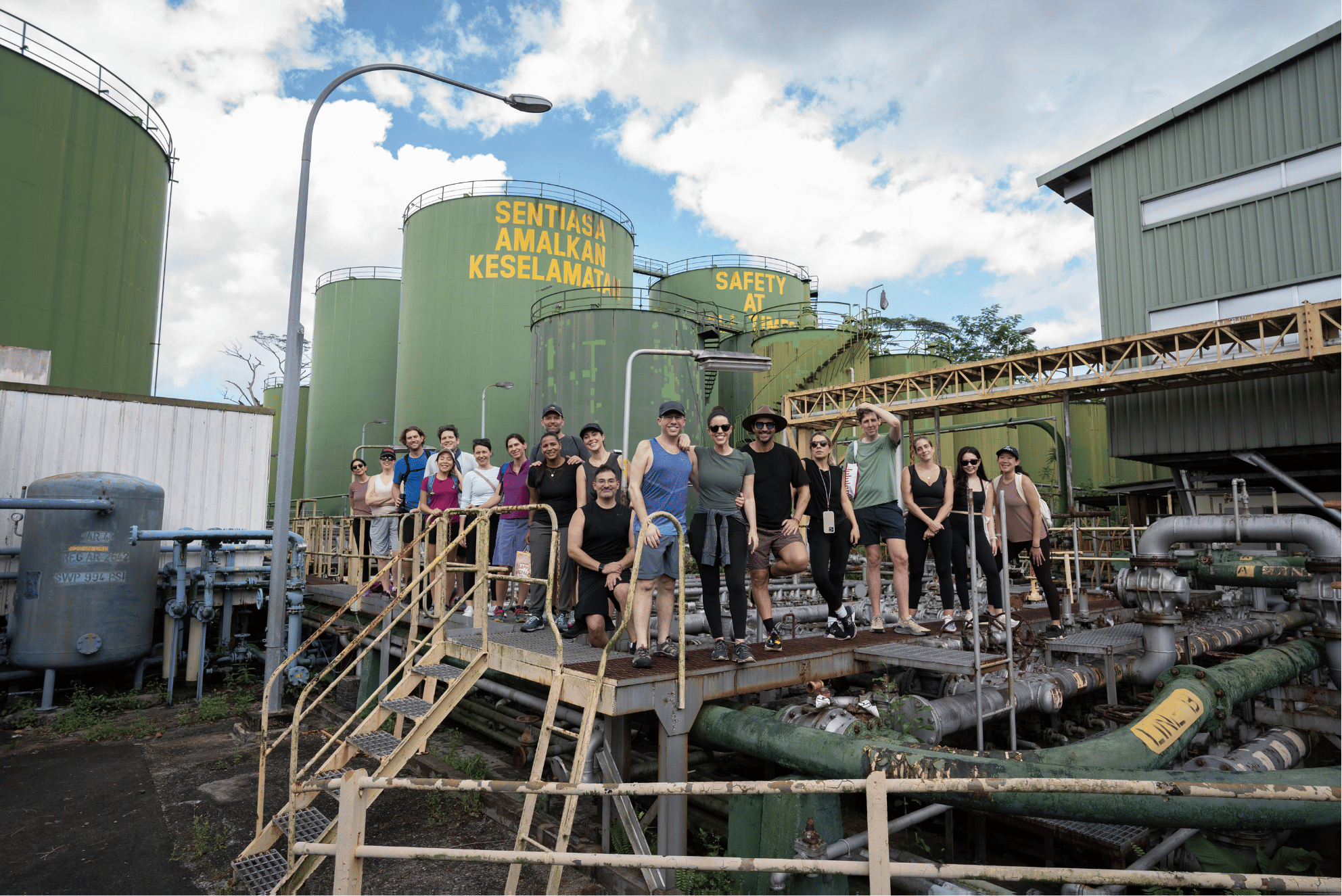
The rising interest in heritage amidst rapid change, geopolitical uncertainties and technological disruption is unsurprising. Engaging with heritage allows us to understand ourselves and our past. It thus shapes our identities, and anchors our sense of belonging. In a fast-paced city like Singapore where new developments are common, elements from the past help to form a sense of place, serving as a repository for memories and offering an opportunity for respite. This is especially so on a small republic where undeveloped rustic areas – common in larger towns and countries – are few and far between. Safeguarding our heritage is thus key towards the well-being of all.
Layers of history make up the city as Singapore continues to evolve, adapt and build upon the existing landscape. The city is a palimpsest, a surface upon which elements are cleaned, reused and overwritten. Based on our well-being research, the city can be identified into 4 key palimpsests: ecological, structural, infrastructural and cultural.
The Ecological palimpsest refers to the green and blue spaces of our city. It includes primary and secondary forests, gardens, lakes, reservoirs, rivers and its tributaries spread across the urban fabric. Remnants of the large swathes of nature that once occupied Singapore, these spaces are key to the ecological health of the planet and are also home to a range of flora, fauna and fungi species that have shaped our environment. As can be seen in the urban planning of Singapore’s Botanic Gardens, a careful balance between strictly conserved areas for biological restoration and restored areas for learning and human enjoyment can be struck. Taking on such a long-term view to ecological urban planning ensures that people will be able to rest, relax in a range of natural, Sensorial environments for generations to come.
BOTANIC%20GARDENS%20AND%20SCLD%20.jpg)
The Infrastructural palimpsest encompasses existing mobility and resource networks, such as roads, bridges, train tracks, and drainage and waste management systems etc. Designing within the current infrastructural context can minimise disruption to existing systems, allowing new urban elements to integrate seamlessly into the urban fabric. Infrastructure can also be readapted sustainably for new uses. One such example is the conservation and redevelopment of Old Punggol Road into the upcoming Punggol Heritage Trail (to be completed by end 2026). The heritage road will be pedestrianised whilst ‘maintaining its…undulating terrain’, connecting the old Punggol Point Jetty and coastline to the heart of the Punggol Digital District . Additionally, an iconic orange-and-white bus stop will be restored and relocated where an actual bus stop once stood, serving as a rest stop for visitors. As a result, this key infrastructural heritage is reinvented as a Green and Active corridor for current and future communities, contributing to the Ecological palimpsest as well.
THE%20STRAITS%20TIMES.jpg)
The Structural palimpsest consists of the built elements of the city. Ranging from larger buildings to smaller memorial sites, sculptures and cemetery tombstones, these can serve as physical reminders of the past and an ongoing expression of shared ideals.
Buildings not only serve as a collective site for memory, but can further encourage the continuation of community, traditions and practices that contribute to the Cultural palimpsest. The preservation of physical buildings and structurescan thus encourage greater familiarity and rootedness in the city, as peoplegather to connect within buildings and around structures.
Through conserving and encouraging the continuity of the ecological, infrastructural, structural and cultural palimpsests of the city, current and future generations can enjoy tangible and intangible markers of their shared past and identity. Across various scales, design strategies can be used to recognise, protect and encourage the production of heritage for the future. In doing so, a holistic improvement to the urban environment could be achieved. This is as Heritage can augment a greater Diversity of spaces, pursuits and businesses over time, as past knowledge of the people inform future aspirations. Alternative histories, including from minority groups, can also be upheld through preserving layers of history. This could potentially shape a more Inclusive society where different communities can continuously share their stories, celebrate their spaces and uphold traditions. The benefits of conservation can thus extend across dimensions and generations.
THE%20STRAITS%20TIMES.jpg)
Through conserving and encouraging the continuity of the ecological, infrastructural, structural and cultural palimpsests of the city, current and future generations can enjoy tangible and intangible markers oftheir shared past and identity. Across various scales, design strategies can beused to recognise, protect and encourage the production of heritage for the future. In doing so, a holistic improvement to the urban environment could be achieved. This is as Heritage can augment a greater Diversity of spaces,pursuits and businesses over time, as past knowledge of the people inform future aspirations. Alternative histories, including from minority groups, can alsobe upheld through preserving layers of history. This could potentially shape a more Inclusive society where different communities can continuously share their stories, celebrate their spaces and uphold traditions. The benefits of conservation can thus extend across dimensions and generations.


